
Our Story: From Diaspora to Development
Malual Buoth Anyaar Community Development was born from the organic resilience of the Dinka Malual diaspora. Recognizing the urgent and shifting humanitarian landscape in South Sudan, our community members came together not just to support one another, but to create a sustainable bridge between our lives abroad and our roots in Aweil.
What began as a grassroots effort to provide mutual aid—driven by the shared commitment of our community to uplift our people—has evolved into a structured mission. We represent a collective response to the systemic challenges facing Aweil, a region that is now serving as a critical safe haven for thousands fleeing violence in neighboring Darfur and the Nuba Mountains.
Our evolution is defined by three core pillars:
Community-Led Mutual Aid: We maintain the vital social safety nets that allow our diaspora to provide direct, transparent, and immediate assistance to our families and neighbors in Aweil.
Sustainable Development: Moving beyond emergency relief, we are focused on long-term infrastructure, most notably the Aweil Women’s Clinic. We are building the specialized healthcare and gender-responsive services necessary to protect the women and children who have been most affected by the ongoing humanitarian crisis.
Strategic Advocacy & Policy: As we continue to grow, we are expanding our mandate to include policy-focused advocacy. We are working to ensure that the voices of the Dinka Malual community and the reality of the Aweil region are recognized within the international humanitarian framework, moving beyond charity to ensure long-term regional stability.
We are not just a community group; we are a dedicated collective of advocates, professionals, and community leaders committed to turning our collective diaspora experience into tangible, lasting development for the people of Aweil.
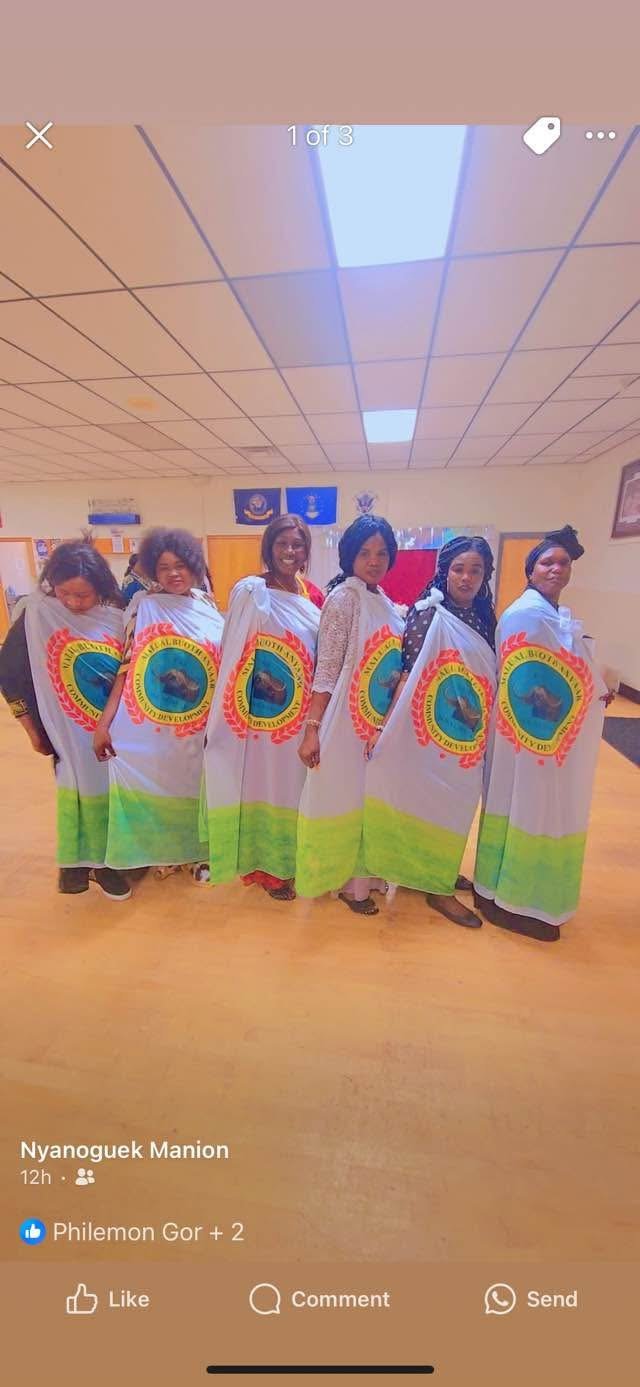
Meet the Team
Partner with Our Mission. Drive Lasting Impact.
Submit your information to connect with our diaspora-led initiatives and support long-term development in South Sudan.